Mental Wellness and Spirituality
Spirituality can be defined as a belief in something greater than ourselves, for some that have a difficult time with the concept of God the term higher power or divine force can be used. There is a feeling of connection to this source. It creates a type of transcendence. Some people feel connected while they spend time in nature. For others it is having a sense of Faith. This can help bring meaning and purpose to your life by pursuing meaningful goals. This is more beneficial than going on a quest for meaning, but you will find it meaningful to pursue and succeed at goals. However, chasing meaning alone can have a negative effect leading to lower life satisfaction and happiness. (Please refer to my article Smart Goals for help). It can help restore a sense of purpose. It can also serve as a compass when you feel lost. In more extreme states of stress, it can help restore you to sanity. It can help improve mental wellness and enhance serenity. It doesn’t necessarily have to stem from religion as some people are non-religious in nature or made a choice somewhere in their life that religious practices weren’t for them. Some people are more agnostic or secular in nature.
Spirituality or having a spiritual practice can help move you out of the experience of the physical concrete world and help you to experience life on another level. There are many benefits to having a spiritual practice and a belief in spirituality enhances mental wellness in various ways. The spiritual path is very personal but can also be shared in group settings such as at a church, synagogue, or mosque or other settings such as a twelve-step recovery program. This leads to a sense of affiliation and connection with other like-minded people. This can provide a sense of community and support in times of crisis or change such as separation or divorce, death of a loved one, job loss and unemployment, and illness or during times of recovery and change in one’s lifestyle.
Spirituality can foster a sense of connectedness to others when attending group places of worship or contemplation or entering into a program of recovery. It enhances feelings of empathy and compassion for others. It improves relationships with others. It creates a state of awe and amazement that there is a force greater than ourselves that oversees everything. It fosters a sense of concern for your fellow being and enhances feelings of wanting to improve the wellness of your community in some way. Getting involved at times and volunteering at a local church can take the focus off yourself and make a positive change in some way. This can help you get through challenging times instead of isolating yourself and ruminating, which is often linked to depression.
There are different ways to practice spirituality and add it to your life. Some may enjoy signing up for a yoga class or chanting mantras or engaging in prayer or meditation. A mindfulness practice can help keep you anchored in the present moment. Others may enjoy attending spiritual retreats. Others may enjoy Tai Chi, attending a church, synagogue, mosque, gurdwara, or a temple might be the path for some. The different religions include Buddhism, Christianity, Islam, Sikhism, Judaism, Hinduism. There are also native and African practices such as entering sweat lodges or engaging in spiritual dances. Everyone’s path is unique. Others prefer staying away from religious buildings and feel more comfortable attending twelve step programs and learning the program is helpful to them.
Spirituality and having a spiritual practice also makes use of the parasympathetic nervous system, responsible for the rest and digest response. This enhances feelings of calm and relaxation.
Spirituality can help restore a sense of hope and optimism and ease suffering and feelings of loss. Some of the practices are uplifting, such as singing in a congregation; some may find spiritual dances enlightening or the chanting of mantras. A spiritual practice can help alleviate signs of depression and anxiety through feelings of connectedness. Research shows that having a spiritual practice greatly improves mental wellness by lowering signs of depression and anxiety and helps with recovery from substance abuse. It also improves sleep and lowers blood pressure and increases longevity. It increases levels of happiness and overall satisfaction in life, improving self-esteem. It enhances feelings of gratitude and psychological wellness. Starting and keeping a gratitude journal can also be helpful. It helps cope with life stressors or lifestyle changes and helps to promote resilience and tap into inner strength. It increases social support which is often lacking in those who have more mental health issues. This protects against stress and leads to better physical and mental health overall. It also promotes a more positive outlook. There seems to be a connection between spirituality and less rates of smoking or substance abuse as well as a higher threshold for coping with stress.
A spiritual practice can complement therapy. If you’re feeling stressed out, depressed, anxious or traumatized over certain life events or experiences, don’t hesitate to reach out for therapy and engage in some form of spiritual practice. Give it time. Anything new feels unnatural at first, but it will help you on your journey to mental wellness.
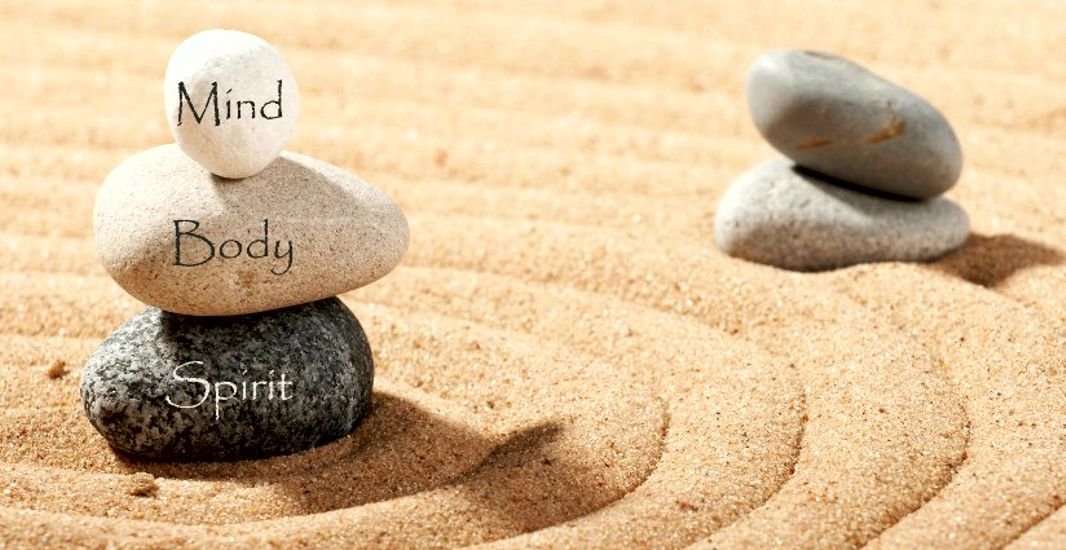
having a spiritual practice greatly improves mental wellness by lowering signs of depression and anxiety and helps with recovery